THE CAPACITY CONNECTON
Research. Practice. And the space between what children know and what they can do.
A research-informed publication exploring movement, executive functioning, child development,
and the environments where children learn to put their skills into practice.
FROM THE CAPACITY PROJECT

#021 Executive Functioning is More than One Skill
Executive function is not one skill. Research shows physical activity and fitness may relate differently to inhibitory control, working memory, and other executive-function skills.
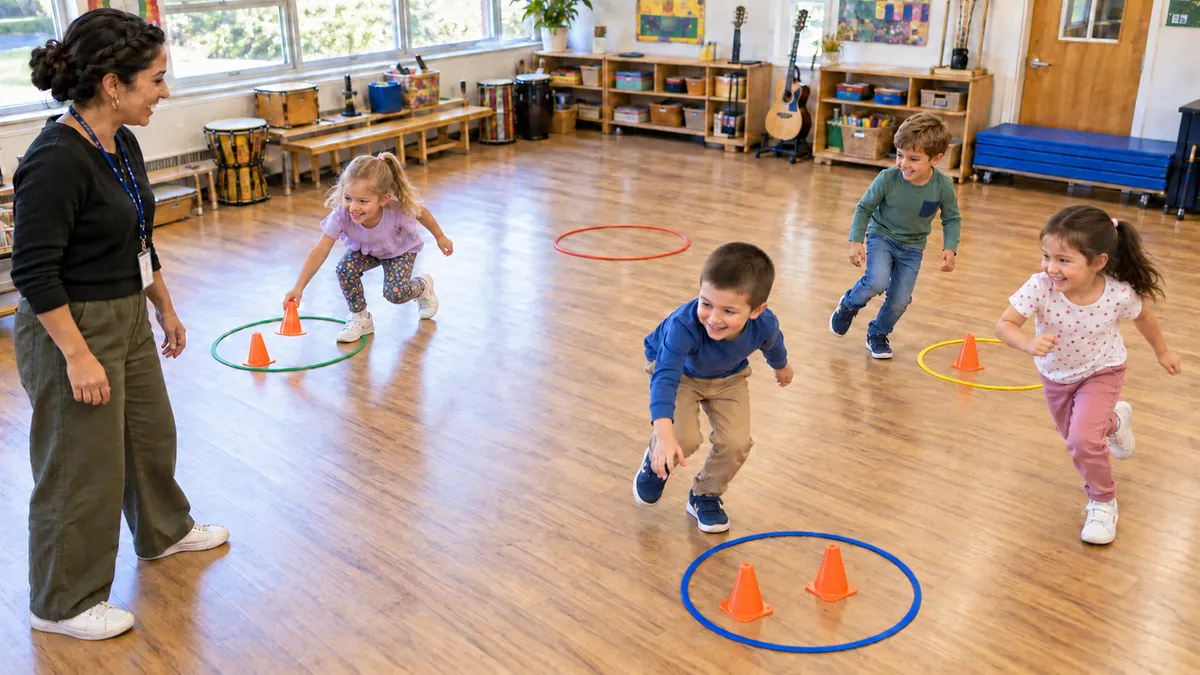
#020 Play Is Not the Opposite of Structure
Play does not have to be adult-free to remain play. Research shows intentional structure and scaffolding can support learning while preserving child agency.
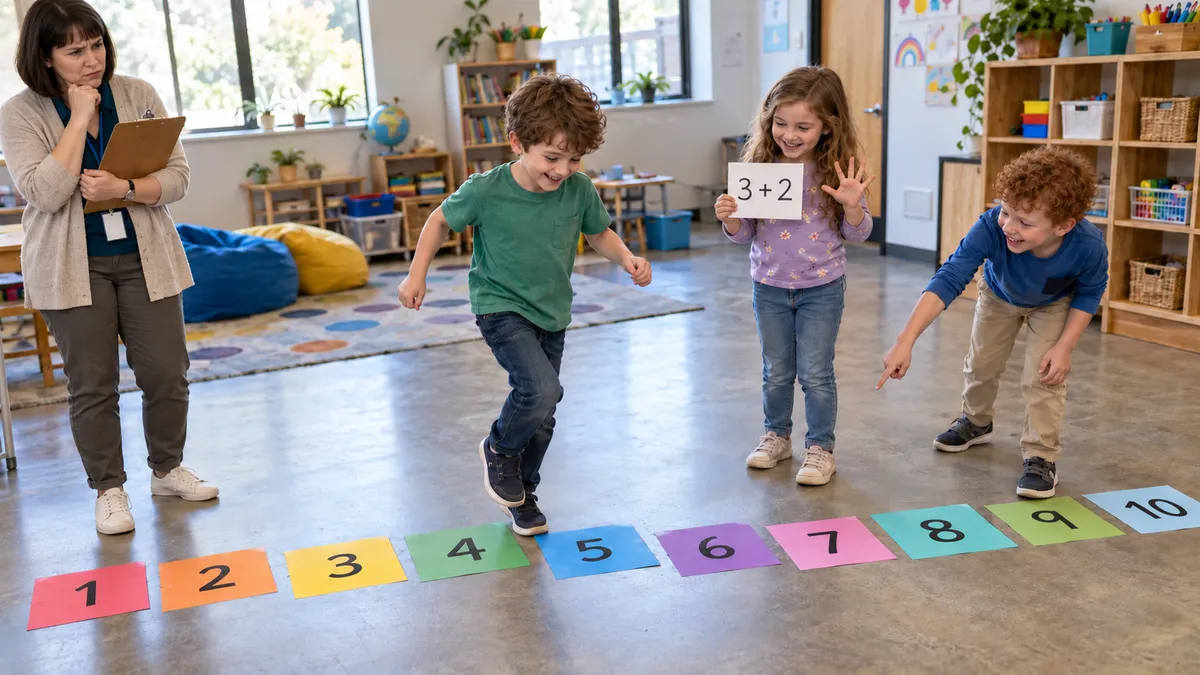
#019 Why Do We Distrust Learning When It Looks Like Fun?
When learning looks like play, adults can underestimate its value. Research shows our beliefs about play can shape the learning opportunities children receive.

#018 If You Control Everything, They Practice Nothing
Adults can control a child’s behavior. But that does not mean the child is practicing self-control. See why kids need structured chances to regulate themselves.
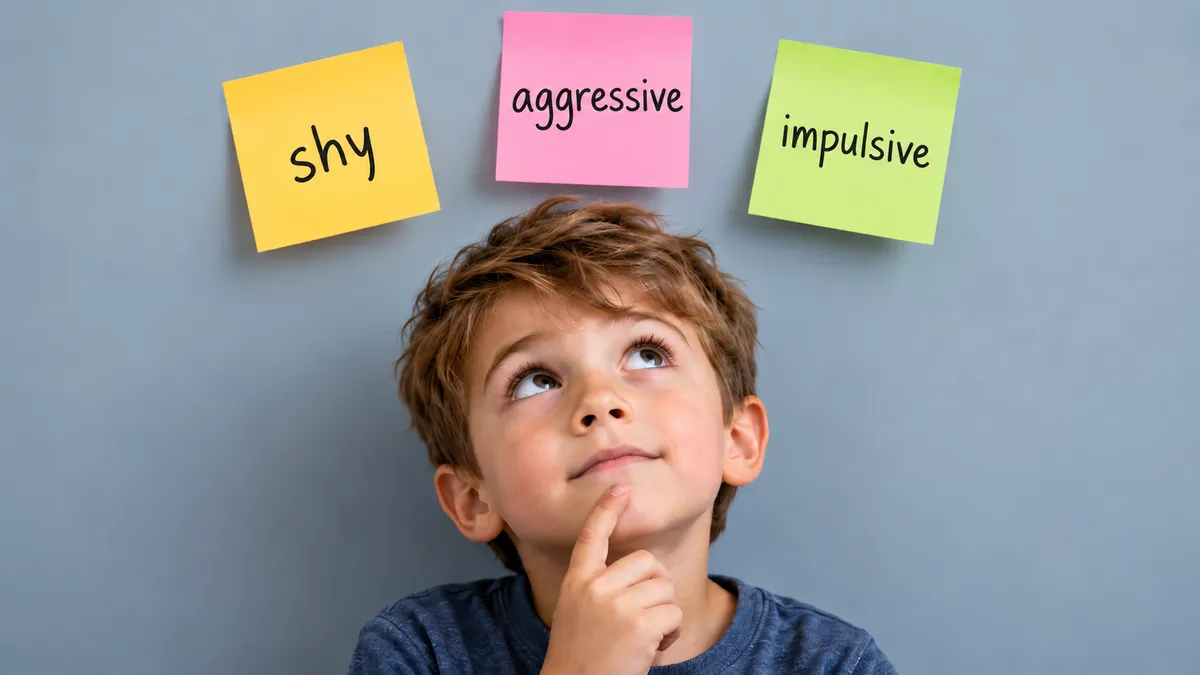
#017 A Teacher's Label Is Data—Not Your Child's Identity
A teacher's observation can offer valuable information about a child, but a label is data—not identity. Learn why context matters when understanding behavior.
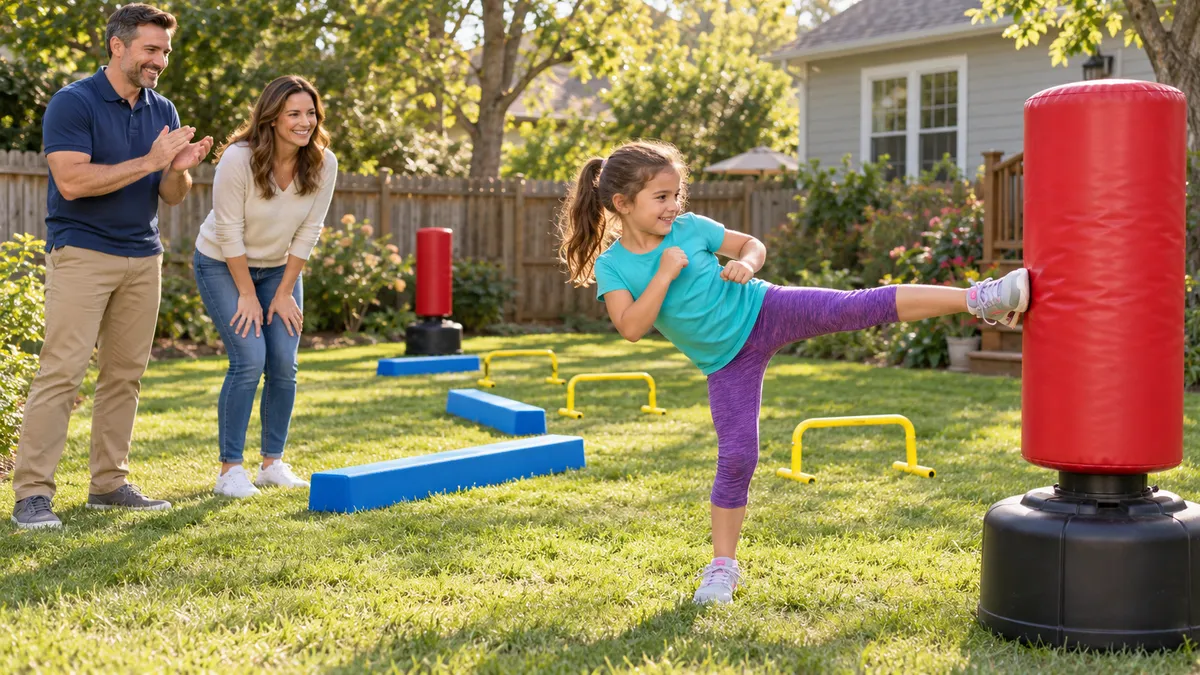
#016 Your Child Doesn't Just Need More Movement. They Need Movement That Makes Them Think
More movement is not always better. Research suggests movement that makes children think, adapt, remember, and respond may better support executive function.