The Missing Piece of Child Development May Not Be Another Strategy.
It May Be Capacity.
Through my doctoral research, I’m exploring how movement and group experiences build the capacity children need for attention, self-control, confidence, and resilience—in the classroom and in real life.
The Missing Piece of Child Development May Not Be Another Strategy.
It May Be Capacity.
Through my doctoral research, I’m exploring how structured movement and group experiences may build the underlying capacity children need for attention, self-control, confidence,
and resilience—not just in the classroom, but in real life.
WHAT DO WE MEAN BY CAPACITY?
Children learn to manage themselves, In part, by learning to organize and manage their bodies.
A child’s ability to focus, control impulses, regulate emotions, plan what to do next, and adapt when something changes does not develop only through talking, thinking, or being taught strategies.
It develops through the body, too.
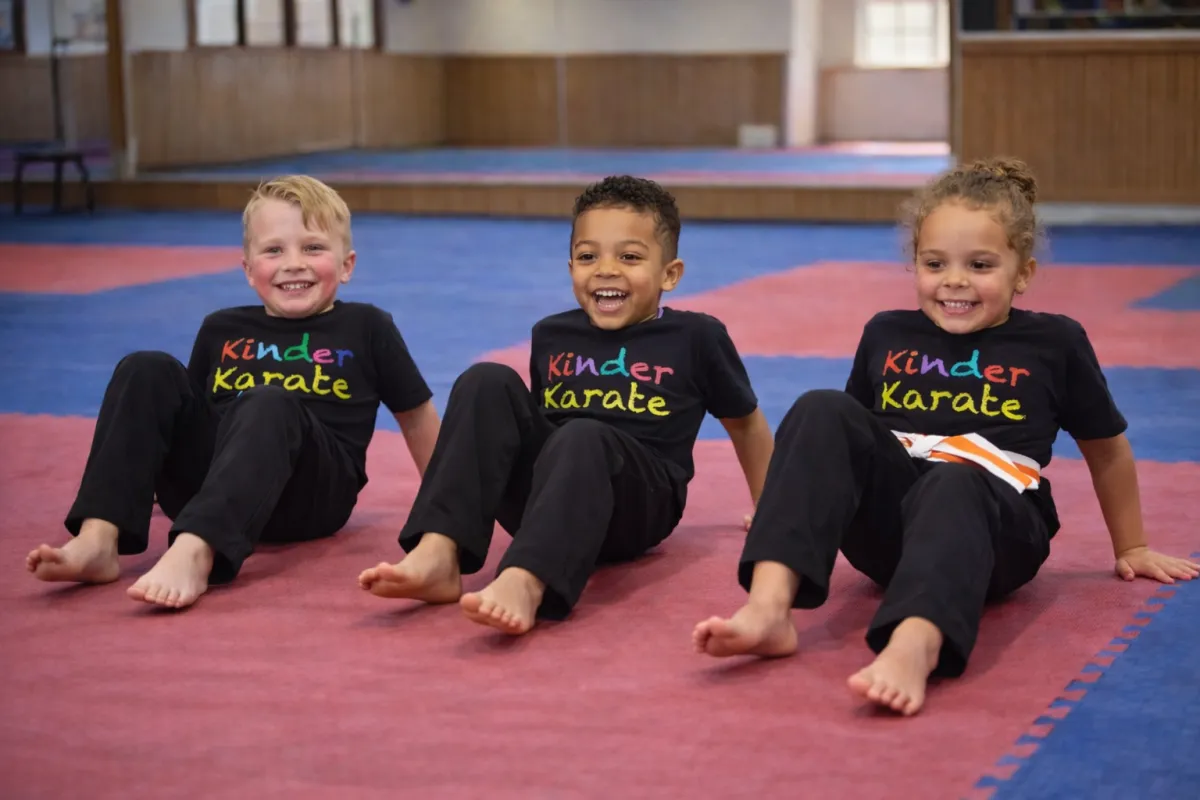
When children balance, coordinate movements, follow a sequence, stop and start on cue, adjust to changing directions, navigate space, and move alongside other children, their brains and bodies are working together.
These experiences challenge children to organize their bodies, manage their attention, respond to feedback, control impulses, solve problems, and adapt in real time.
That is capacity building.
We are exploring what happens when children get repeated opportunities to build these underlying abilities through structured movement and group experiences—and whether strengthening that foundation helps children better access the skills we ask of them every day.
We cannot keep asking children for skills their bodies and brains may not
yet have the capacity to consistently produce.
EXPLORE THE WORK
Discover a different way to think about how children develop the skills we ask of them.

FOR PARENTS
Your child may know what to do—and still struggle to do it when it matters.
FOR PROFESSIONALS
Your clients need more than skills. They need places to practice them.
FROM THE FIELD
The work is still unfolding—and we’re sharing what we learn along the way.
Meet The Do Better Bunch
Big lessons. Little stories. Better choices.
The Capacity Project isn’t only about understanding how children develop.
It’s also about creating better ways to help them grow.
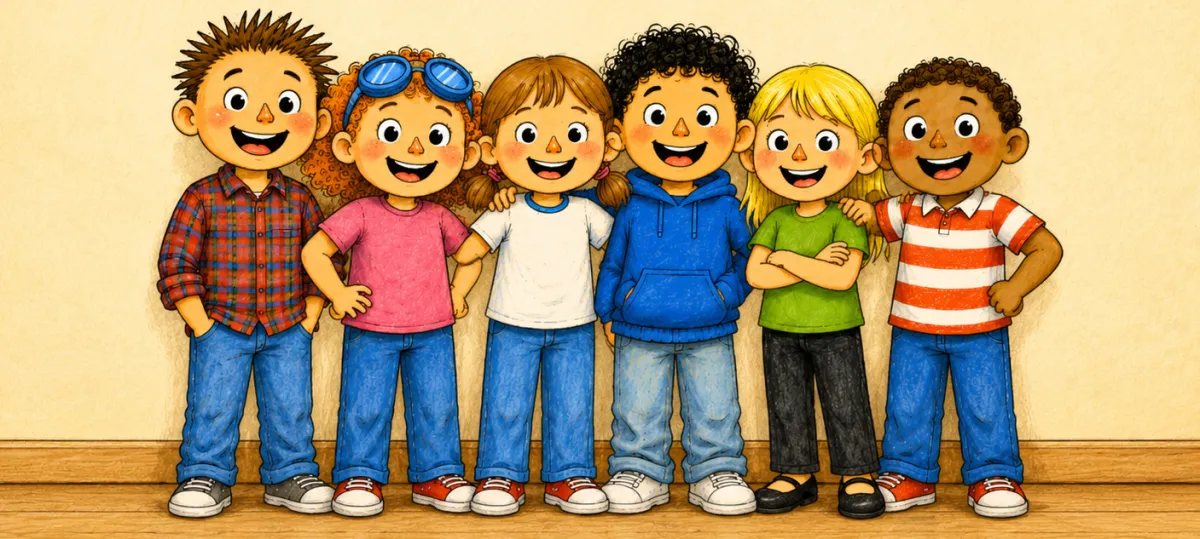
The Do Better Bunch™ is an original children’s series created by Kara Czerniak that
turns everyday social and emotional challenges into stories kids can understand, talk about, and learn from.
Kids watch the Bunch get it wrong, see what happens, and discover that making a mistake
doesn’t have to be the end of the story.
KNOW BETTER → CHOOSE BETTER → DO BETTER™
Because doing better starts with understanding better.
MEET THE FOUNDER & CEO
I’ve spent 30 years teaching children. They taught me what questions to ask.
For three decades, I’ve worked with young children in movement-based group settings. And over the years, I kept noticing something that didn’t quite add up.
They knew what they were supposed to do. They understood what was expected of them. Sometimes, they had even demonstrated the skill before. But put that same child in a different environment—with more movement, more people, more distractions, or more demands—and the skill wasn’t always there when they needed it most.
That made me wonder: If a child can do something in one setting but cannot consistently do it in another, is the problem really that they haven’t learned the skill? Or is something underneath that skill still developing?
That question became the beginning of The Capacity Project.
Today, I bring together 30 years of hands-on experience with children, a master’s degree in Positive Psychology, and my doctoral research in Early Childhood Education exploring movement, group environments, and executive functioning.
The Capacity Project is where those worlds come together—practice, research, and a growing effort to better understand what helps children become more capable in the moments that matter.

Founder, The Capacity Project